The web in 2026 is evolving faster than ever. Users expect experiences that are personalised, intuitive and visually engaging, and the latest design and technology trends are delivering just that. From AI-powered interactions and immersive spatial design to glass-inspired interfaces and accessibility-first approaches, websites are no longer static spaces. They are dynamic, responsive platforms that guide, delight and convert visitors while reflecting brand innovation and professionalism. For marketing teams, understanding these trends is essential to staying ahead and creating digital experiences that truly resonate.
AI integrations
AI on websites in 2026 isn’t about adding a chatbot and calling it innovation, it’s about making your site work harder for your marketing strategy. The real opportunity lies in using AI as an invisible layer that improves how users search, navigate and engage.
From intelligent search that understands intent rather than exact-match keywords, to dynamic content that adapts based on industry, referral source or behaviour, AI allows websites to personalise experiences at scale. A visitor from a paid LinkedIn campaign, for example, could see different messaging priorities than someone arriving organically through Google.
It can also power smarter lead capture. Forms that adapt based on user responses, content recommendations that guide visitors naturally toward the next step, and personalised case studies that align with sector or interest all reduce friction in the journey to conversion.
For marketing managers, this means better-qualified leads, stronger engagement metrics and clearer insight into what’s resonating. Instead of being a static brochure, your website becomes an active participant in campaign performance, continuously learning, refining and supporting growth.
Through the looking glass
After years of flat, minimal interfaces, we’re seeing a resurgence of depth through glassmorphism, liquid glass effects and other real-world material cues, a modern reinterpretation of skeuomorphism. These layered, translucent surfaces create visual hierarchy and focus, giving users clearer signals about what’s interactive and what sits in the background. The result feels more tactile, more dimensional and more premium.
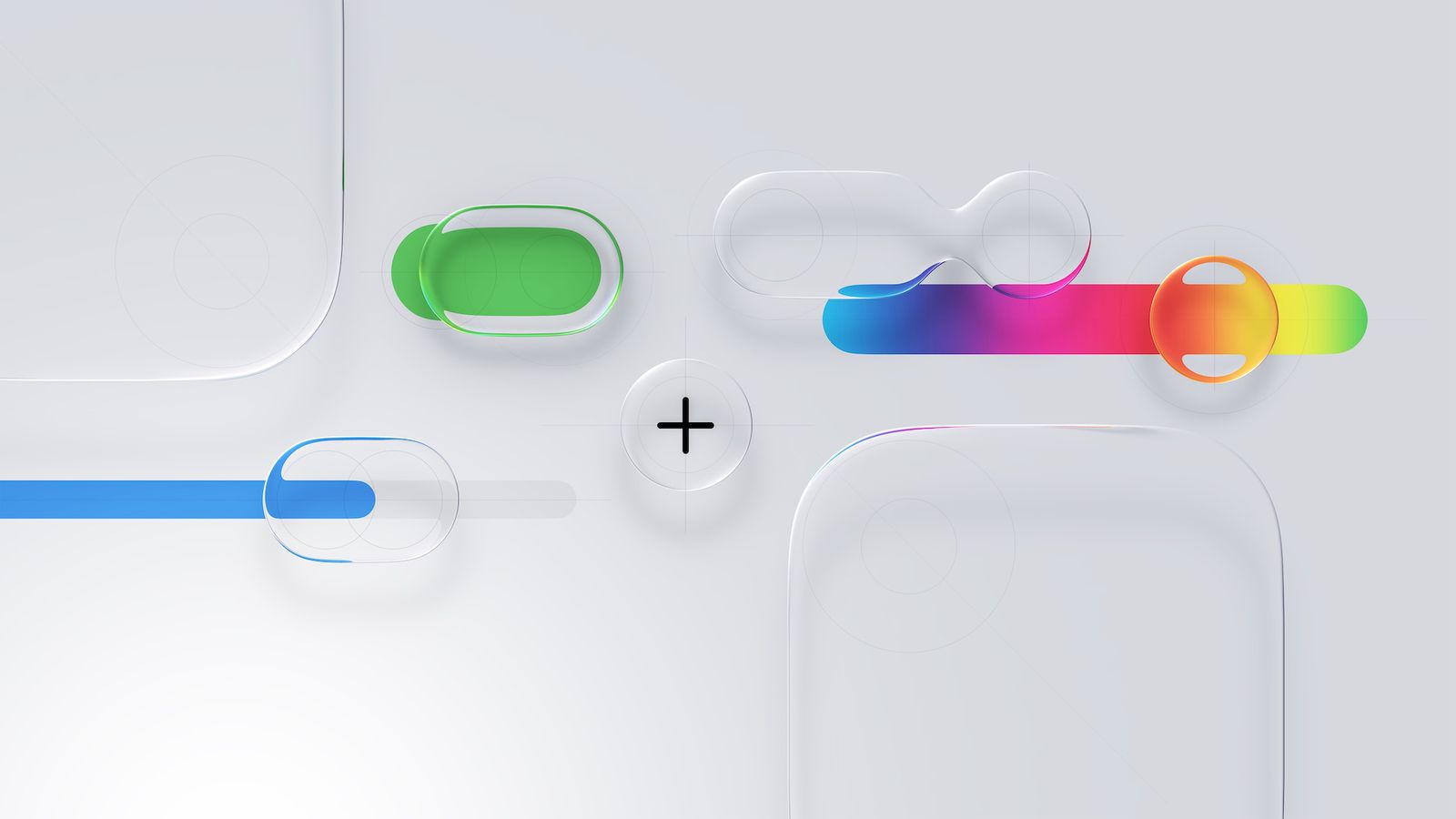
While CSS doesn’t yet allow designers to fully replicate the dynamic, refractive “true liquid glass” effects seen in Apple’s ecosystem, techniques such as backdrop blur, transparency, soft gradients and subtle motion are being used to create convincing depth on the web. It’s not about copying an operating system, it’s about reintroducing physicality into digital spaces in a refined, contemporary way.
For marketing teams, this shift is more than aesthetic. Depth and materiality can increase memorability, strengthen brand perception and help guide attention toward key calls to action. In competitive sectors, visual distinction matters, and a thoughtfully layered interface can immediately feel more considered and premium than flat, template-driven design.
Accessibility, however, must remain central. Glass effects can easily reduce contrast and readability if overused or poorly implemented. When applied responsibly, with strong contrast ratios, clear typography and careful layering, glass can enhance focus rather than hinder it, supporting both usability and inclusivity.
Interestingly, the growing adoption of glass-like UI on the web may also serve as a soft introduction to spatial and mixed-reality interfaces, where layered, translucent panels feel natural within three-dimensional environments. In that sense, this isn’t simply a visual trend — it’s a gradual evolution toward interfaces that feel more immersive, more intuitive and more aligned with where digital experiences are heading.
Creating an online experience
Experience-led design is becoming increasingly prominent in 2026, particularly for brands launching new products, services or repositioning campaigns. Rather than relying on static page layouts and traditional navigation patterns, these sites are built around immersive, story-driven journeys that guide users from one moment to the next.
A strong example is the website of Lando Norris, which uses full-height scrolling sections, fluid transitions and cinematic pacing to create a controlled narrative experience. Instead of asking users to decide where to go next, the site leads them through a sequence, building emotion, personality and brand depth along the way.
This 100% viewport, scroll-led approach allows for layered animation, bold typography, motion graphics and seamless transitions between sections. When executed well, it creates a sense of momentum and polish that feels more like an interactive campaign than a traditional website.
That said, this style is not right for every business. Companies focused heavily on transactional journeys, such as high-volume e-commerce or service comparison platforms, may prioritise speed and efficiency over immersion. However, for brands launching a flagship product, entering a new market, promoting a major campaign or positioning themselves as premium, experience-led design can be incredibly powerful.
It is particularly suited to:
-
Product launches and brand unveilings
-
Automotive and luxury sectors
-
Creative industries and agencies
-
Sports and entertainment brands
-
Technology startups introducing innovative platforms
-
Recruitment campaigns or employer branding microsites
For marketing teams, the value lies in attention and memorability. Experience-led sites create emotional engagement, encourage longer session durations and generate shareable moments. They do not just present information, they create an interaction. In a crowded digital landscape, that distinction can be what turns awareness into genuine brand affinity.
The End of Dark Patterns
Regulation around user experience is tightening across the EU, and in 2026 there is far less tolerance for manipulative design tactics often referred to as “dark patterns”. These are interface decisions designed to push users toward actions they may not have consciously chosen.
Pre-ticked consent boxes, misleading urgency messaging such as “Only 2 left” when stock levels do not support the claim, and emotionally manipulative CTAs that pressure users into converting are all under increasing scrutiny. If your website is accessible within the EU, these tactics can result in significant fines, enforced changes or even restrictions on trading.
For marketing teams, this signals a shift from conversion-at-all-costs to trust-led optimisation. Transparency, genuine scarcity, and clear opt-in mechanisms are no longer just best practice, they are legal requirements. The focus moves toward ethical persuasion rather than behavioural manipulation.
This does not mean conversion rates must suffer. In fact, brands that prioritise clarity and honesty often see stronger long-term performance, higher-quality leads and improved customer loyalty. As regulation evolves, compliant and ethical UX design will become a competitive advantage rather than simply a legal safeguard.
Accessibility by Default, Not as an Afterthought
Accessibility is no longer a bolt-on consideration added at the end of a project. In 2026, it is becoming foundational to how websites are designed and developed from day one. Layout decisions, colour systems, typography, motion, navigation structure and content hierarchy are increasingly being shaped with accessibility in mind from the very first wireframes.
For marketing managers, this shift is both strategic and commercial. Accessible design expands your potential audience, improves usability for everyone, and strengthens brand perception. Clear contrast, logical structure, keyboard navigation, readable type scales and considered motion do not just support users with disabilities. They create cleaner, more focused experiences for all users.
There is also a regulatory driver behind this change. Legislation such as the European Accessibility Act is raising expectations for digital accessibility across the EU, and compliance will become increasingly scrutinised. Building accessibility into the foundation of a website is far more effective and cost-efficient than retrofitting it later.
Perhaps most importantly, accessibility aligns with long-term performance. Sites that are structured clearly, coded semantically and designed with inclusivity in mind often perform better in search, load more efficiently and reduce friction in conversion journeys. In 2026, accessible design is not a constraint on creativity. It is a mark of maturity and professionalism.
3D and Spatial Design
Spatial design is no longer confined to gaming or experimental VR projects. With devices such as Apple Vision Pro and Meta Quest pushing mixed reality into the mainstream, users are becoming more comfortable interacting with digital environments that feel layered and dimensional. But you do not need to design for headsets to embrace this shift.
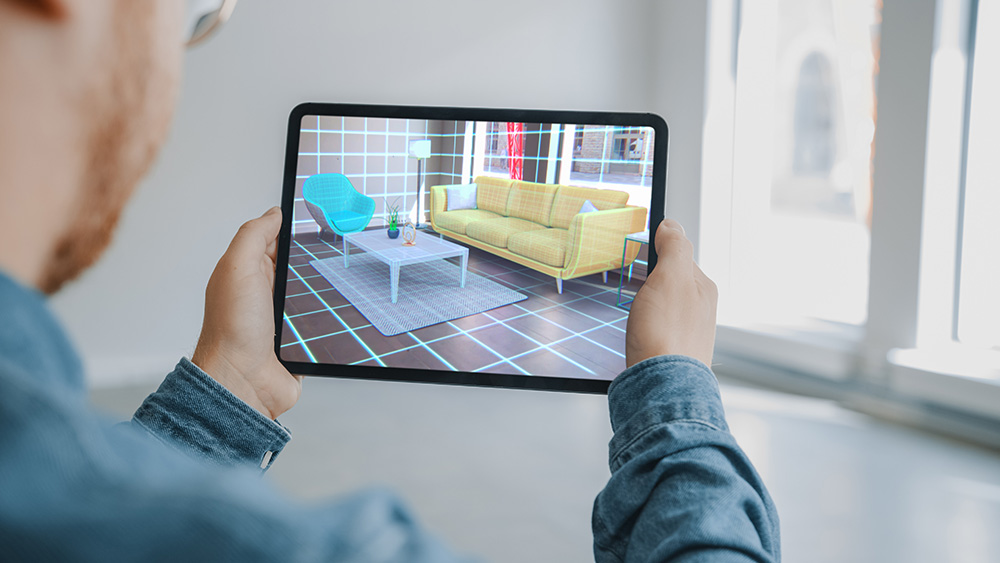
In 2026, flat UI is evolving into something more tactile and responsive. This is not about heavy drop shadows or decorative effects. It is about genuine interactive depth. Interfaces are beginning to behave more like physical spaces, with elements that move, rotate and respond to user input in subtle but meaningful ways.
We are seeing 3D cards that tilt and react to cursor movement, adding a sense of realism and engagement. In eCommerce and product-led businesses, AR previews allow customers to visualise products in their own space before purchasing. Even service-based websites are experimenting with layered layouts that create the feeling of moving through an environment rather than scrolling a page.
For marketing teams, the value lies in engagement and differentiation. Spatial design captures attention and encourages exploration. It can increase dwell time, improve product understanding and create a more memorable brand experience. As audiences grow more accustomed to dimensional interfaces through hardware innovation, bringing elements of that depth into standard web experiences helps brands feel current, premium and future-facing.
Like any trend, it must be applied strategically. Performance, accessibility and usability remain critical. When used with restraint and purpose, 3D and spatial design can elevate an experience without overwhelming it, giving brands a way to stand out in an increasingly uniform digital landscape.